
Skip to content

Applications

Find the right approach to your road repairs

Explore common road surface defects and how Jetpatcher patching can help. The condition of the surface, the layers below and drainage all inform the right repair approach.

Potholes

What it looks like
A bowl-shaped hole where surface material has broken away, often with loose material at the edges and in the base.
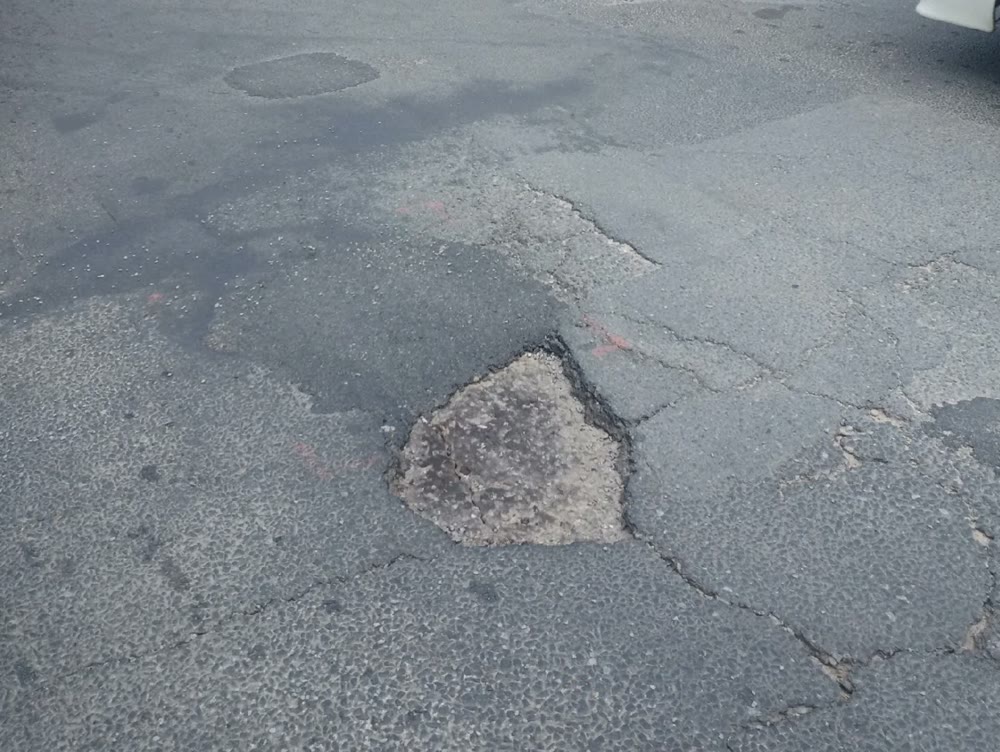
Pothole with broken asphalt edges and exposed material at its base.
Pothole before repair · Jetpatcher project photo
Why it matters
Potholes can widen as traffic and water work on the exposed edges, and they affect road users and vehicles.
How Jetpatcher patching can help
The four-stage Jetpatcher process clears, coats, fills and finishes localised surface potholes.
Limitations
A pothole can be a symptom of water in, or weakness of, the layers below. Repeated failure in the same place may indicate a structural or drainage problem that a surface repair alone will not address.
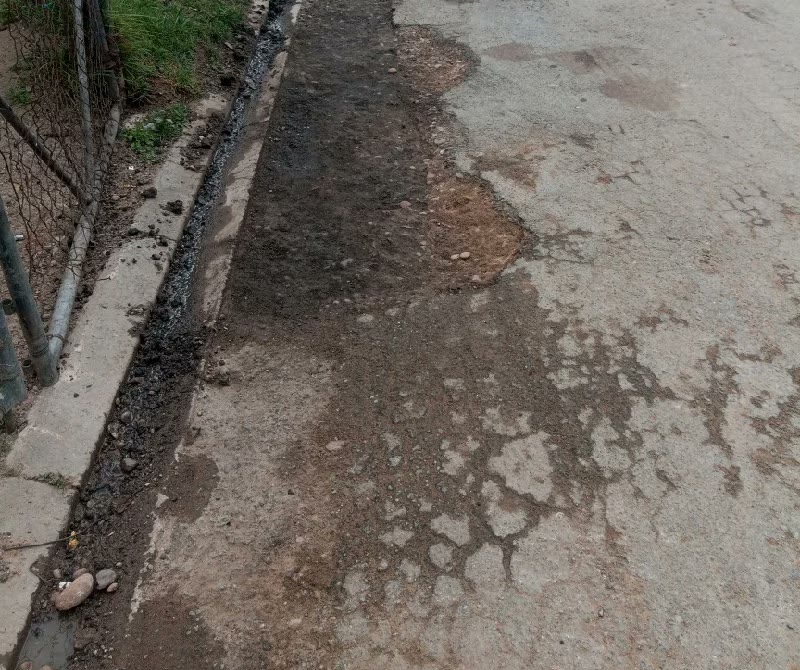
Edge breaks

What it looks like
Breaking and loss of surfacing along the edge of the road, sometimes where the surface meets an unpaved shoulder.
A jagged strip of missing asphalt along the road edge beside a kerb.
Edge break before repair · Jetpatcher project photo
Why it matters
Edge breaks reduce the usable width of the road and can progress inward if left untreated.
How Jetpatcher patching can help
For damage limited to the surfacing at the road edge, the team can assess whether spray-injection patching is suitable.
Limitations
Edge failure is often linked to unsupported shoulders, drainage or heavy loads at the edge. Those causes need separate assessment.

Surface depressions

What it looks like
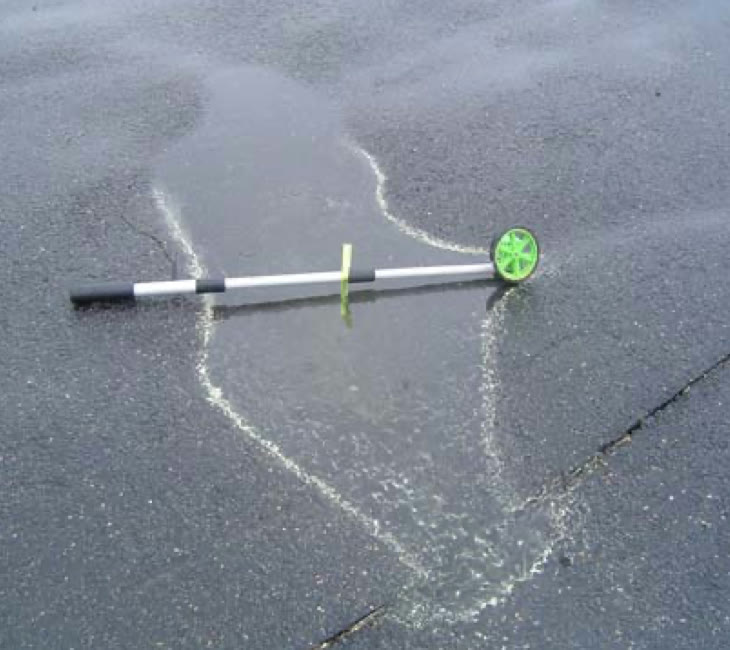
Low areas in the road surface where water can pond after rain.
A shallow pavement depression outlined in chalk, with water ponding across the low spot.
Surface depression · U.S. Army Corps of Engineers, PAVER manual, p. 19 (opens PDF in a new tab)
Why it matters
Ponding water can weaken the surface and the layers below, and depressions affect ride quality.
How Jetpatcher patching can help
Shallow, localised surface depressions can be assessed for levelling with the patching process.
Limitations
Depressions can come from settlement or failure in deeper layers. Filling the surface does not repair the underlying cause.

Crack sealing

What it looks like
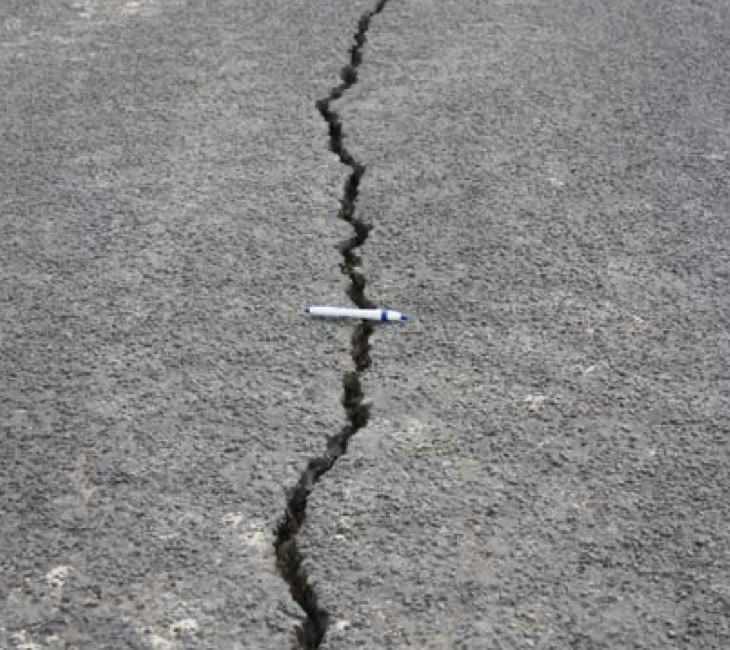
Individual or connected cracks in the road surface.
A single open crack running along the asphalt surface before sealing.
Open surface crack · U.S. Army Corps of Engineers, PAVER manual, p. 27 (opens PDF in a new tab)
Why it matters
Open cracks allow water into the road structure, which can speed up deterioration.
How Jetpatcher patching can help
Suitable surface cracks can be assessed for sealing to limit water entry.
Limitations
Widespread interconnected cracking can indicate fatigue of the road structure. Sealing addresses water entry, not structural capacity.

Surface symptom or structural problem?

A surface repair restores the running surface. It does not strengthen a weak base, fix poor drainage or correct deep settlement. Where defects keep returning, the cause usually needs investigating before deciding on treatment.

Information that helps us assess suitability

  • Where the road is and what kind of traffic it carries
  • The type of defects and roughly how many
  • Approximate length, width and depth of typical defects
  • Whether defects keep returning in the same places
  • Photographs, if you have them